Theme 01
Repurposing enzymes with light, electricity, and engineering
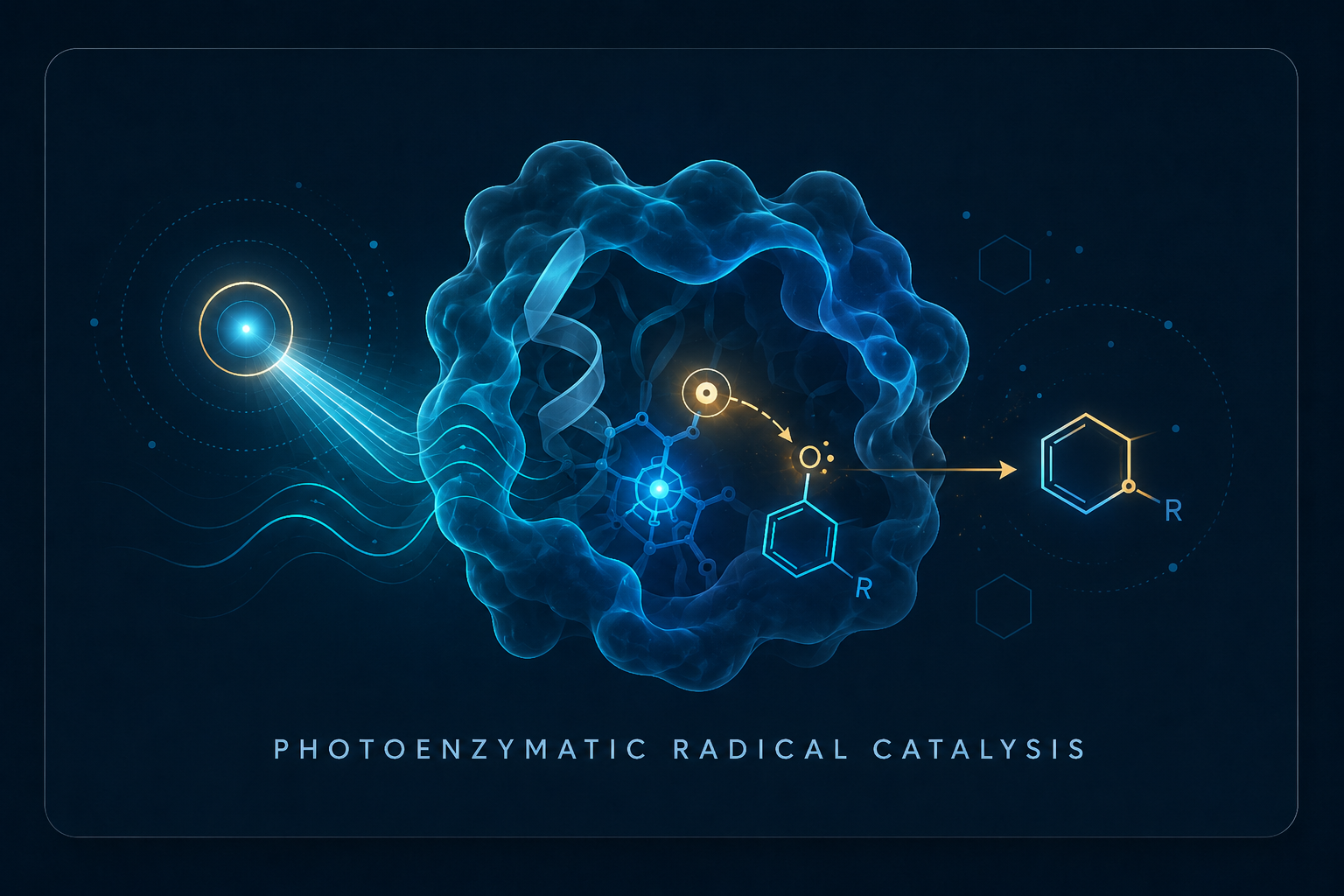
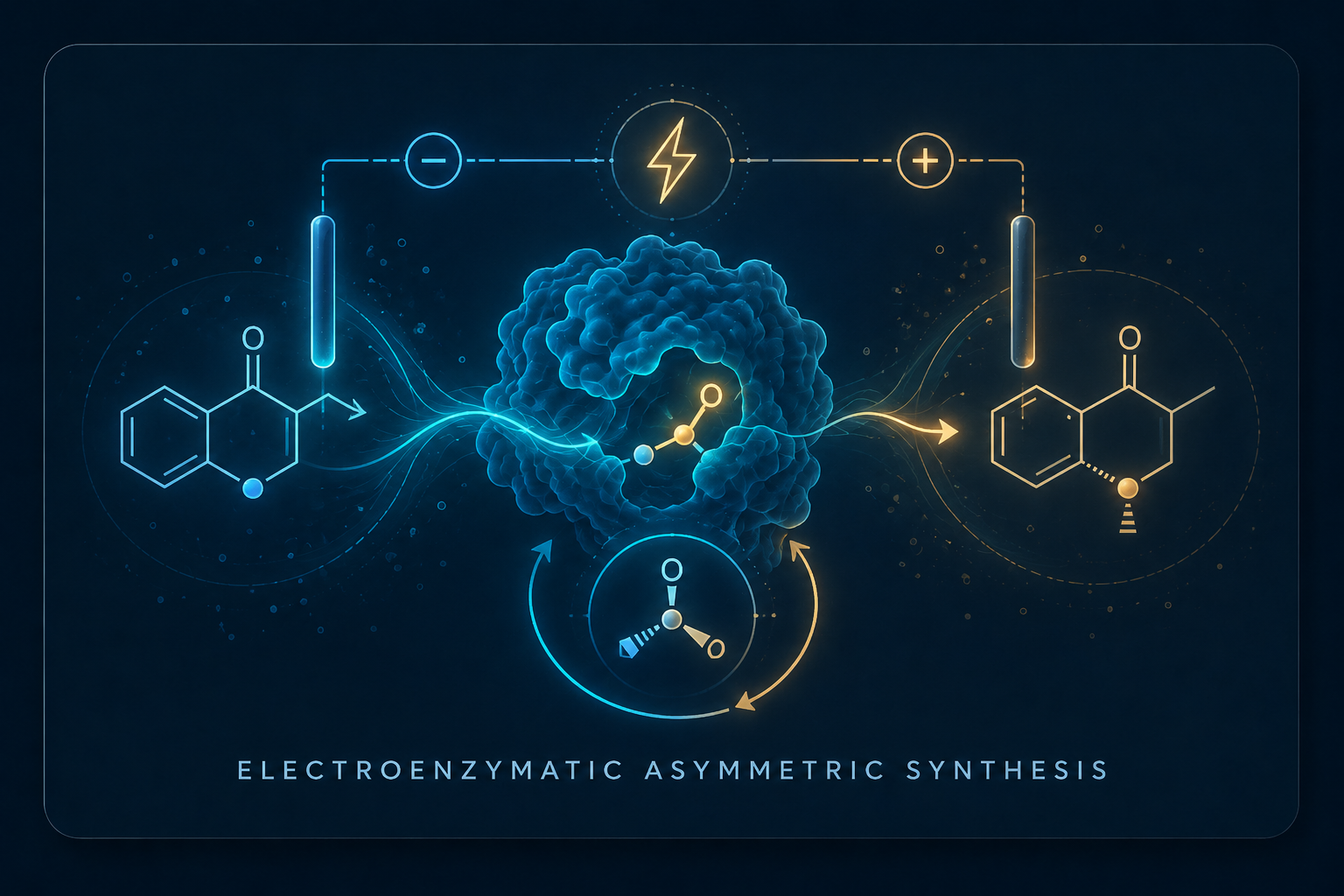
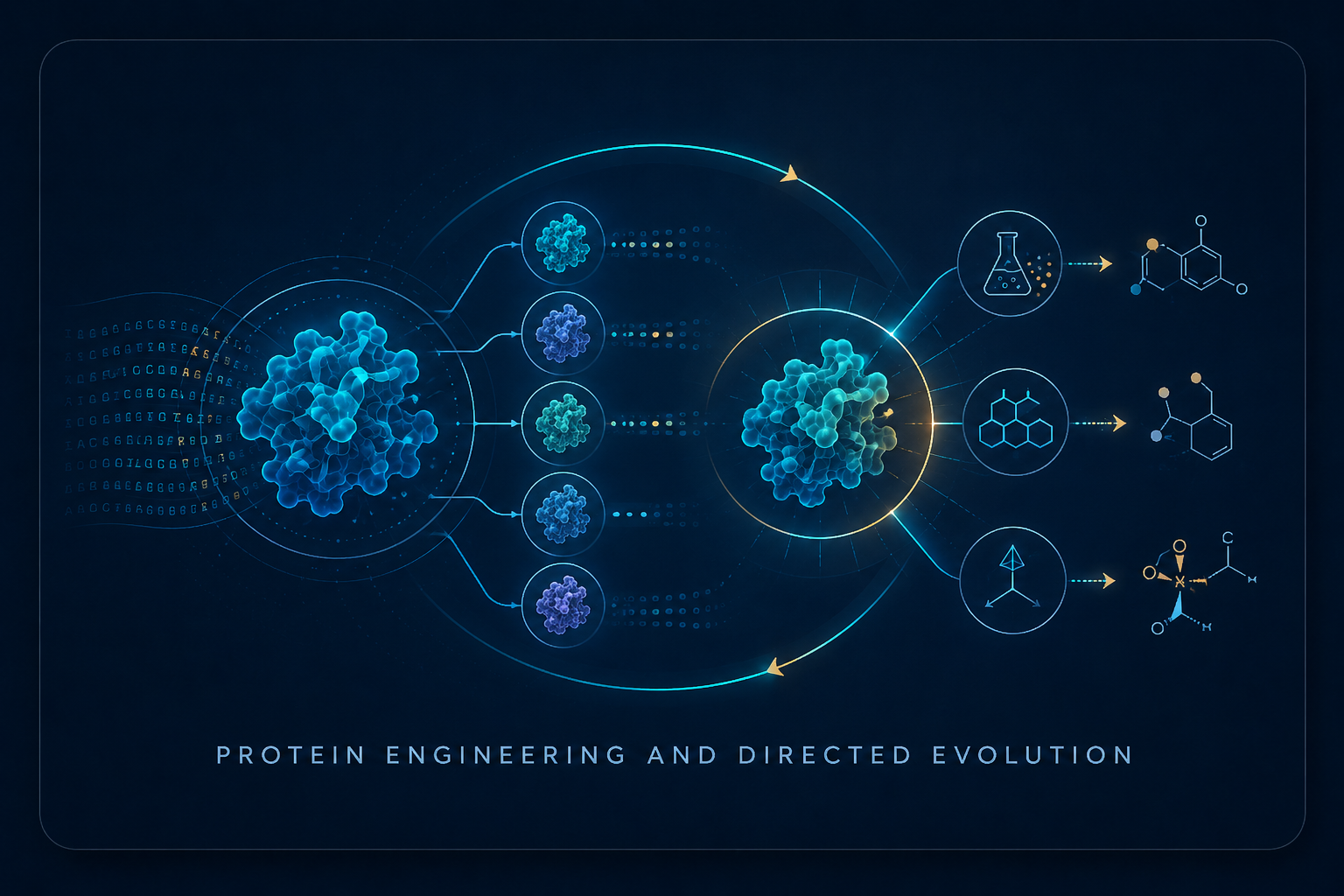
Natural enzymes are powerful catalysts, but their native reaction scope covers only a fraction of the transformations needed for modern synthesis. We repurpose enzymes for new-to-nature radical and redox chemistry by combining visible-light activation, electrochemical inputs, and protein engineering.
In these systems, light or electricity generates reactive intermediates in or near enzyme active sites, while the protein environment controls reactivity, selectivity, and stereochemical outcome.
Theme 02
Artificial enzyme design
New asymmetric reactions require new chiral catalysts. We design artificial enzymes that place non-natural catalytic functions within programmable protein environments.
By integrating organic mechanism design, protein engineering, structural modeling, and AI-guided design, we aim to build artificial photoenzymes and electroenzymes with tailored reactivity and selectivity.
Theme 03
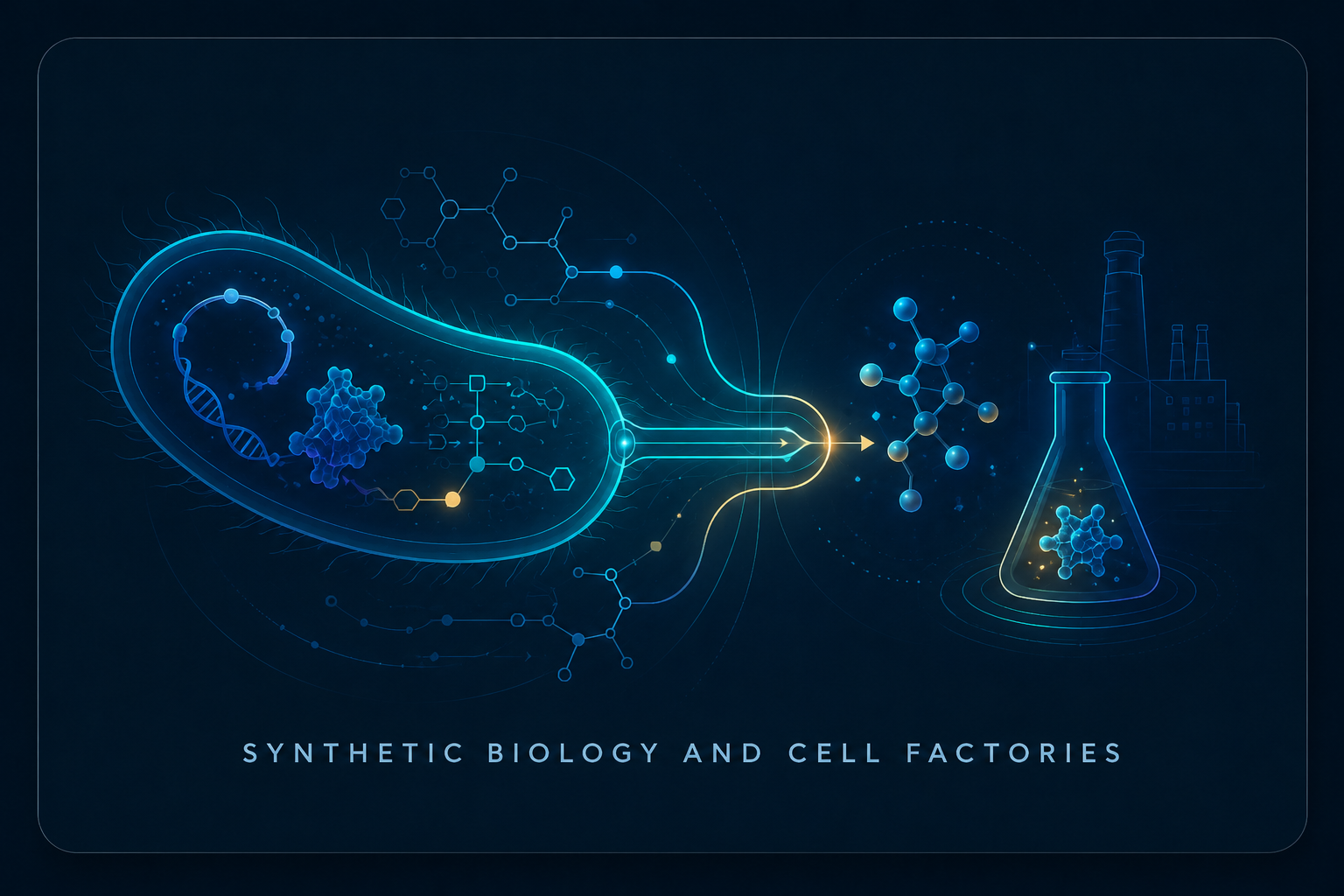
Photobiomanufacturing
Biomanufacturing uses living cells and enzymes to produce pharmaceuticals, fine chemicals, fuels, and other valuable products. We seek to integrate new-to-nature enzymatic reactions with engineered biosynthetic pathways.
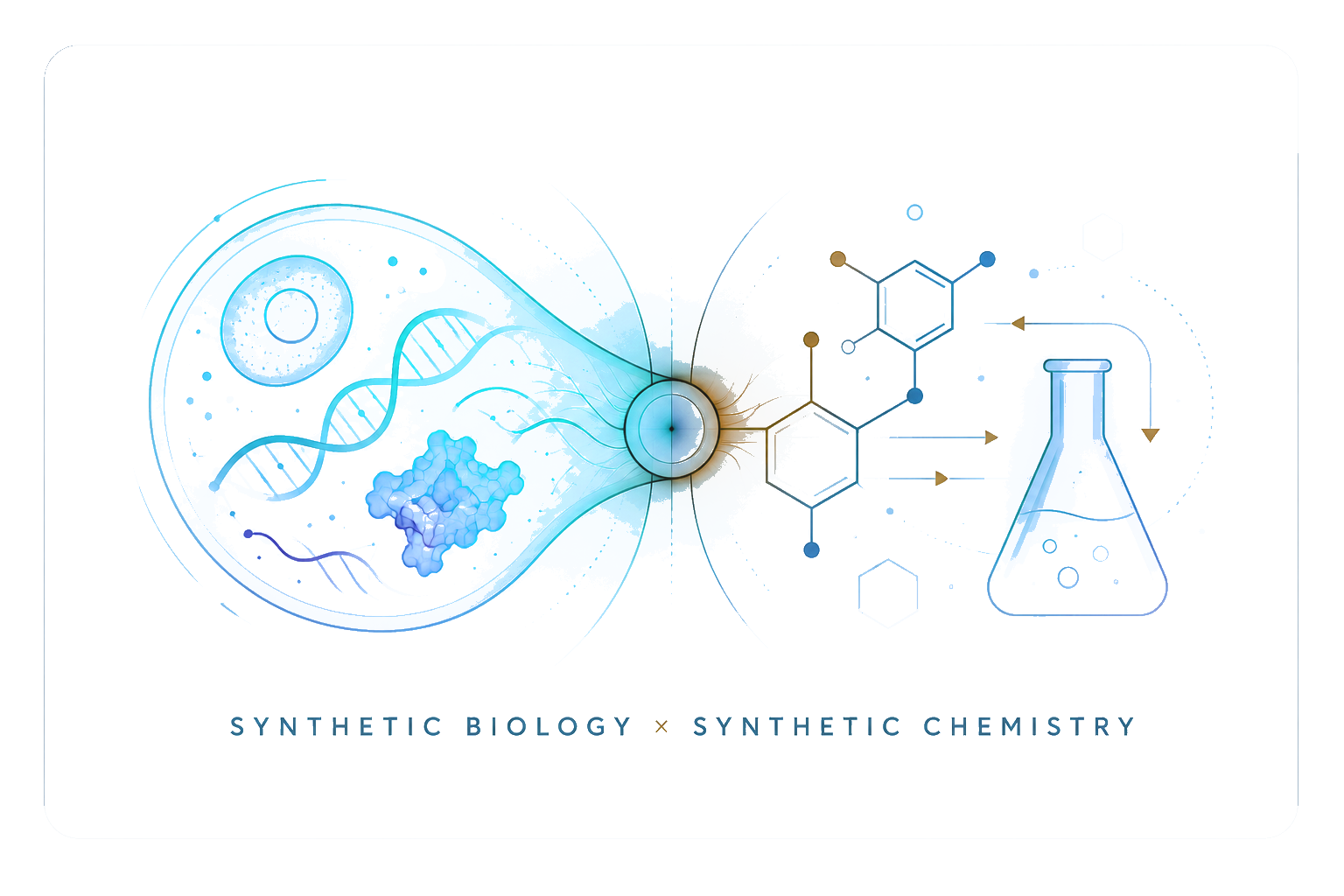
By connecting synthetic biology with photobiocatalysis, we aim to develop photobiomanufacturing platforms for scalable and renewable production of high-value chiral molecules and non-natural products.